
The Monastic Athonite Cuisine
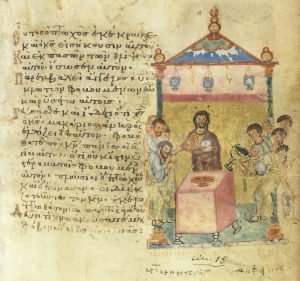
The Athonite cuisine is simple, varied with a clear Mediterranean identity. Balance and moderation are strictly observed in the daily life of the monks. The food to be eaten is linked to the natural environment, the variety of raw materials from the monastery’s crops and, of course, seasonality.
On Mount Athos, meals are simple and in a solemn atmosphere. The monks eat according to the norm of monastic life, as the monastery has a morning and evening table and, of course, visitors and pilgrims will eat exactly what the monks eat.
- Luke. 10,8: And whatsoever city ye enter into, and they receive you, ye shall eat the things that are set before you,
- Luke 10:10. 10,8: Into whatever city you enter, and the inhabitants receive you, eat what they set before you, asking nothing special or better.
Representations that are mainly religious or illustrations of various manuscripts confirm the use of foods and customs.
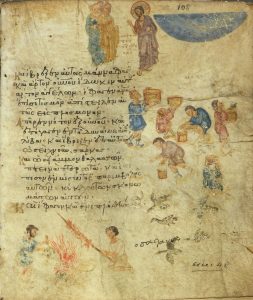
Bread, vegetables, fruits, legumes, fish, oil and wine were and are dominant in the monks’ diet, with details regulated and determined by the monastic rituals and fasts, which divide the food into permitted and non-permitted foods. There is no recipe on Mount Athos that does not have a lot of herbs and herbs in moderation and spices.
In representations of tables, the constant trilogy of bread, wine and fish appears, the basis of their Christological symbolism In the tables of Mount Athos, as in that of the Monastery of Pantokrator, the great figures of Orthodox monasticism are usually depicted in the lower painting zone, always full-length, while priority was given to those saints who constitute for all monks a clear model for imitation. Besides, most of them carry unfolded scrolls containing exhortations and advice, of spiritual content, for the monks who are fed daily at the monastery’s table.
In such performances as those of the Last Supper, the Nativity of the Virgin Mary and the Nativity of John the Baptist, the Wedding at Cana and the Hospitality of Abraham, there is as a rule bread, wine and, on occasion, fish. The scene of Abraham’s Hospitality is depicted as the most austere. The bread, the main meal, which is meat or fish, is shown. Occasionally a variety of vegetables is also placed on the table as an accompaniment.